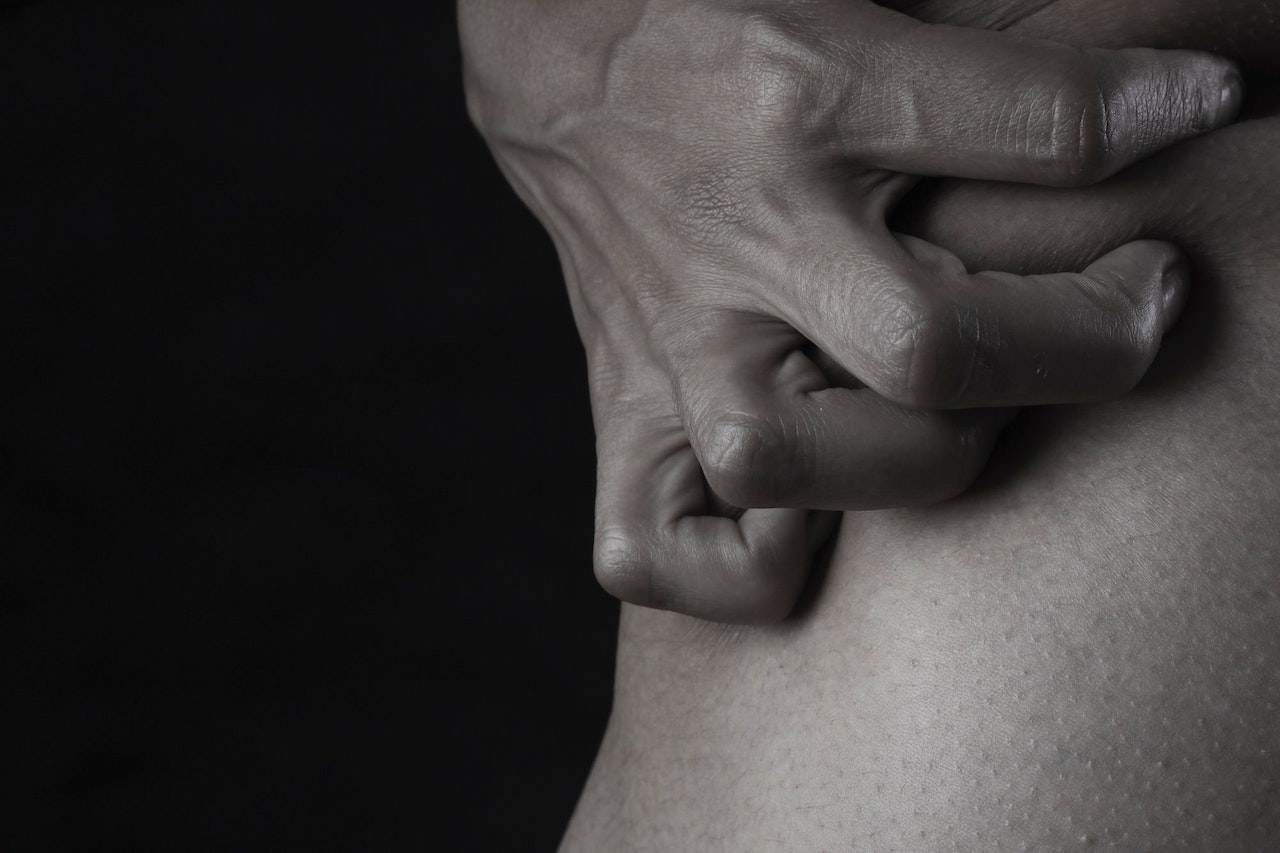
Ten years ago, I was diagnosed with ankylosing spondylitis. Since then, pain–in some form or another–has been my constant companion. Today, we’re going to address one’s relationship to pain. What’s a person to do if it’s right there all the time?
Ankylosing spondylitis is like if Wolverine of the X-Men existed in the real world. Instead of having a mutant healing factor, he’d have a mutated body attacking itself. Instead of bone claws, the claws would emerge at inopportune times on the spine. And instead of feral rages, he’d get these overwhelming urges to drop what he’s doing and instantly go to sleep. Not the most exciting backstory for adventures, to say the least.
I started my diagnosed journey with dark humor. Rather than referring to my A.S. as an incurable disease, I called it my terminal disease, because it would be lingering there with me at death. Naturally, this was the wrong way to look at it, and it only made the pain more noticeable and my overall outlook more grim.
When prescribed pain killers, I didn’t really notice any difference. I tried experimental helminthic therapy, but I didn’t see much change there, either. The only thing that seemed to really make a difference was in changing my mindset.
The Healing Power of Change
First, I vowed to quit seeking pity, which meant I was done calling myself terminal. Then, I began pondering the positives of the pain I felt: Being reminded I was alive, building up tolerance, preparing myself to face greater hardships–that sort of thing.
Tony Robbins once said, “Change happens when the pain of staying the same is greater than the pain of change.”
Whenever I felt the physical pain of waking up each morning, I eventually got tired of feeling sorry for myself. In sensing that pain in the present moment, I was far more likely to follow my dreams and try new things, because the pain of failure suddenly felt less daunting.
Was that the purpose of my chronic pain? To force the courage I had been praying for? To push me to finally accomplish those things that brought me fulfillment? I think that’s part of it, but there’s more.
Memento Mori
Marcus Aurelius, famed Roman emperor and Stoic philosopher, often meditated on his own mortality. That was at the core of his Stoicism. In Meditations, he wrote, “You could leave life right now. Let that determine what you do and say and think.” (Attentive readers will remember that Meditations is on my Knowing What to Read list.)

Aurelius’ concept of “Memento Mori” (Latin for “Remember you must die”) is a great motivator, especially in the presence of pain. Sure, you may hurt now, but at least you’ve staved off the abrupt buzzkill of death. What are you gonna do with that time you’re given?
When distracted by that question, I find myself less conscious of my pain. Just like service to others combats depression (which often piggybacks on pain), I’ve found that service to a greater good combats one’s awareness of pain. Chemically speaking, that’s because oxytocin, serotonin and dopamine are released when we help others, which boosts our mood and counteracts the stress hormone cortisol.
One’s Relationship to Pain
Essentially, what I’m saying is to reconcile one’s relationship to pain, it’s worth consciously living one’s life and celebrating that very life (knowing that both life and pain are temporary). In being both conscious and celebratory, you’re taking charge of your circumstances, no matter how intense the accompanying pain may be.
To consciously live your life, I recommend mapping out what you’d like to accomplish today, this week, this month, this year and so on. Embrace your inner dreaming child while intentionally tuning out society’s ever-present cynicism.
To celebrate life, I recommend living in the moment. Embracing those oft-overlooked elements that make life beautiful: a well-crafted song, a captivating piece of art, the sights and sounds around you that remind you that you belong in this world in this moment.
As I sit here typing, the ice pack numbing various portions of my back reminds me that I am mortal. At times, I have limitations to what I can physically do. My strengths can offset those limitations. They won’t, however, offset the limitations by default. It’s up to me to consciously build my strengths and turn them into weapons of mass production. Like Wolverine, only different.
What pain management techniques work for you? I welcome your thoughts in the comments section below!
(Note: This post includes affiliate links. This means that, for every purchase you make following some of my links, I get a cut from the product provider. This doesn’t cost you any extra money, but it certainly can help me pay the bills!)

Comments
6 responses to “One’s Relationship to Pain”
Wow, Mark. I never knew this, nor have I ever heard of this condition. This is a great response, though!
I love what you’re saying, and it truly has nearly universal application. We all got something hurting us, “This old bidness ‘a livin’!” as one of my aunts would say. And your response is true to my Zen training and practice! Exactly this. There’s no other real answer to any of our problems, pain, depression, anxiety – all of which I do know.
Thanks for this! I love you!
Thanks John! I love you, too! Glad you’ve found some value in Zen training and practice. It’s interesting how some truths are able to really transcend our distinctive spiritual perspectives.
I find pain comes in different forms.
Sometimes I get a headache. For that I eat ice cream fast and the preasure from the brain freeze massages my brain hurt and releases the tension. At least that is what I tell myself.
Sometimes I get joint pain that asprin doesn’t help. For that I drink stinging nettle tea.
Sometimes my pain in toes and hands are like a streach taken too far and by streaching to feel the tension, I learn to sometimes take that feeling of uncomfortableness and sit with this until the pain feels not so bad and disolves.
I have been fortunate with only minor pains. May you grow beauty and know love of life despite the pain.
Thanks, Old Ander! I REALLY like your ice cream cure for a headache! 😀
For the stinging nettle tea, do you harvest your own or do you buy it already packaged? I’ve made the mistake of encountering stinging nettle in the wild. Not fun! Still, I’d like to try the tea for joint pain.
Mark,
Thank you for the read and for sharing. It’s important for all to share what we are going through, so we may help someone else.
I think you probably know what I will say here, in regards to pain management…yoga! Lol But, of course knowing limitations and being ok with that. I do have some gentle classes on YouTube.
I hear what you’re saying about looking for pity…and not wanting to do that. That’s a tough one. And, yes, the meditation aspect is also great!
It saddens me to hear people walking though their days in pain. I hope you find some relief soon and if there’s any way I can help, please let me know. Yoga is an amazing tool.
Sending love,
Kara
Thanks for sharing your thoughts, Kara. Do you mind linking your YouTube classes here in the comments? I’d love to check them out. Having an extra vertebrae, I’m not the most limber, though I know I’d certainly benefit from a regular yoga practice.